


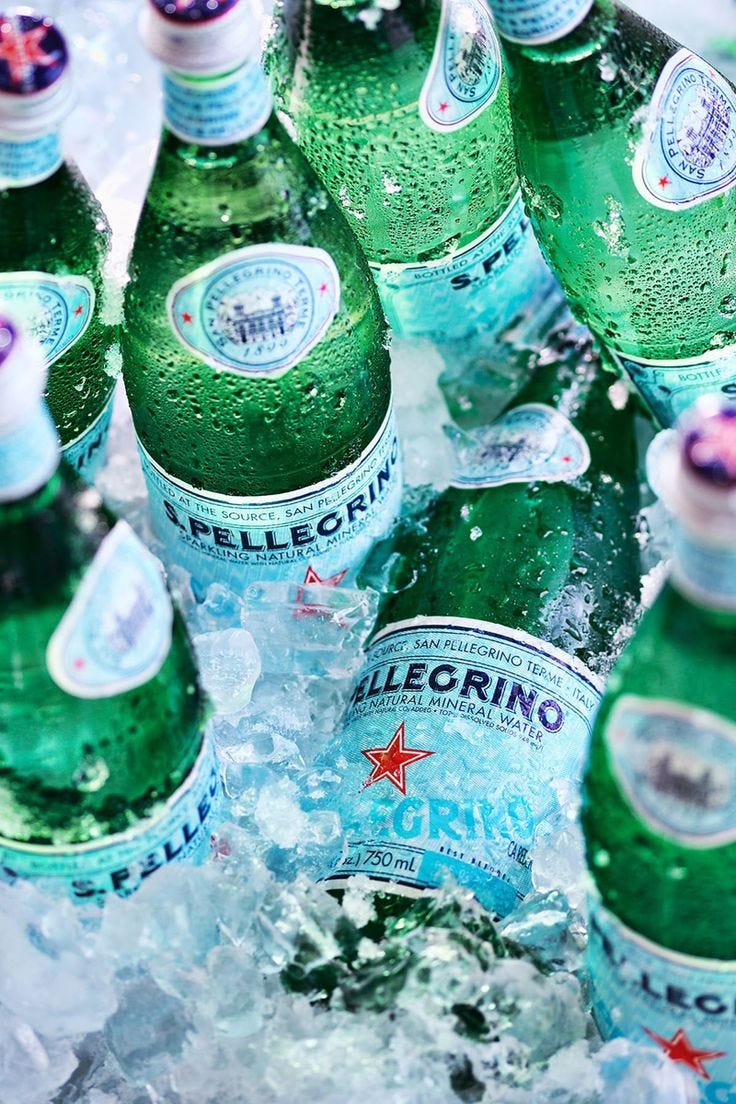
For most of my training life I drank a gallon of water a day. It was the default health habit.
Every podcast told me to. Every fitness coach repeated it. You’re told it helps:
“Flush the toxins”
“Boosts energy”
“Hydrates the cells”
“Stay ahead of thirst”
“Clear urine equals optimal hydration.”
What I noticed after years of doing exactly that was the opposite of what was promised.
My energy was lower, not higher.
Muscle cramps started showing up in longer sessions.
By mid-afternoon I was foggy.
I was going to the bathroom every 30 to 45 minutes. And no matter how much I drank, my mouth was almost always dry.
The strangest part was that a hydration panel confirmed I was dehydrated.
I was running a gallon of water through my system every day. None of it was sticking. Why? Little did I realize that I’d actually built a leak, not a hydration habit.
I’m now radically different on this. I haven’t drunk plain water in close to 2 years. By plain water I mean water that’s been stripped of its native minerals. Filtered tap. Reverse-osmosis bottled water. The standard fitness-coach hydration default. What I drink instead is in the back half of this piece.
What changed isn’t the volume of fluid I take in. I’m not drinking more than I used to. What changed is where the water comes from. Most of my hydration now comes through food. Fruit, raw milk, broth, and fresh juice. The 1940s recommendation I’ll get to in a minute had this part right: most of the water you need is supposed to come from what you eat.
The 8-Glasses a Day Lie
Some version of the 8-glasses-a-day advice traces back to a 1940s recommendation from the U.S. Food and Nutrition Board, which said adults need about 2.5 liters of water daily for normal function. The same recommendation noted that most of that water comes from food.
The food part got dropped. The 8x8 number stuck. And it got marketed for decades by every brand that profits from you believing you need to keep buying bottles, jugs, filters, electrolyte powders, and hydration trackers.
What the research actually shows is more nuanced. A 2015 study in the American Journal of Clinical Nutrition compared the hydration effect of more than a dozen different liquids. Whole milk, tea, and orange juice all hydrated more effectively than plain water. The lead researcher, Dr. David Nieman, put it directly that people drinking bottles of water between meals are largely just peeing it out.
Plain water without minerals doesn’t hydrate you. It moves through you.
The Mechanism
For water to enter your cells, it needs a mineral gradient to follow. Sodium, potassium, magnesium, chloride. These minerals create the osmotic pressure that pulls water across the cell membrane and keeps it inside the cell where it’s actually useful.
Drink plain water with no minerals and you flood the extracellular space with fluid your cells can’t accept. The kidneys handle the overflow by pulling sodium out of circulation to clear it. Your serum sodium drops. Your cells, ironically, get less hydrated, not more.
In athletes who drink large volumes of plain water during long efforts, this becomes medically dangerous. Exercise-associated hyponatremia is a documented condition that’s killed marathon runners.
In most men it doesn’t go that far. It’s just silently draining you. Your muscles cramp because they can’t hold water. Brain fog kicks in because cellular hydration in the brain depends on the same gradient. Energy drops because mitochondrial function depends on intracellular fluid balance.
What Hydrates Me Instead
When I cut plain water, my total fluid intake stayed roughly the same. What changed was the source. Most of my hydration now comes from food and from mineral-rich liquids. As I mentioned before, from fruit, raw milk, broth, and fresh juice.
What I find with the men I coach through this shift is the same pattern in almost every case. Inside 3 weeks they see less afternoon fatigue, fewer bathroom trips, real morning energy that doesn’t require coffee to access. Same body but with different sources of hydration.
Here are the 7 I rotate through.
1. Spring water in glass with added Vera salt + fresh lemon or lime juice.
Naturally mineralized at the source. Spring water carries the electrolyte profile your body actually recognizes. Glass matters because plastic leaches xenoestrogens, especially when bottles sit in warm cars or warehouses before reaching you. The brand matters less than checking the actual mineral content listed on the label.
2. Bone broth.
Collagen, amino acids, sodium, potassium, gelatin. A cup of real bone broth, simmered from bones rather than reconstituted from powder, hydrates more efficiently than 2 glasses of water. It’s one of the few things that hydrates your gut lining at the same time. I have a mug in the morning when my system is depleted from sleep.
3. Raw coconut water.
Loaded with potassium, which is the mineral most men are most depleted in. Raw is the operative word. Most coconut water on grocery shelves has been pasteurized and sweetened, which kills most of what makes it useful. The right version tastes faintly grassy, not sweet.
4. Salt in your water.
If you’re going to drink water, add salt. A pinch of high-quality salt (Vera or Colima are what I use) per pint changes what the water does in your system. It gives the water somewhere to go.
5. Fresh fruit and fresh fruit juice.
Whole fruit is the original version of this. Watermelon is roughly 92 percent water with the electrolytes already built in. Oranges, grapes, pineapple, mango. The combination of natural sugars and minerals moves water into cells faster than almost anything else. Fresh-pressed juice is the same idea concentrated, and ideally drunk within hours of pressing. Pasteurized supermarket juice loses most of the enzymes and ends up closer to flavored sugar water.
6. Raw milk.
If you can source it, raw milk (ideally goats over cows milk) is one of the most complete hydration vehicles available. Minerals, fats, enzymes, the full spectrum. It’s also one of the few things I’ve found that helps me sleep through to morning when I have a small glass before bed.
7. Sparkling water.
Less critical than the others, but useful. The CO2 helps with oxygen delivery via the Bohr effect, and the carbonation naturally slows your drinking pace, which is its own discipline. Vichy Catalan is my preference (no aff) but others are available.
The Timing Rule
The other change that mattered more than I expected was when I drink, not just what.
I no longer drink anything with meals. No water with food. No coffee with breakfast. I leave at least 45 minutes before a meal and an hour after.
The reason is your stomach acid and digestive enzymes are concentrated for a reason. Diluting them with a glass of water means your food sits in your stomach longer, ferments, and creates the bloating most of the men I work with have stopped noticing.
I know this sounds neurotic. The first week of it felt difficult. By week 3 I no longer wanted water with meals, and bloating came back any time I broke the rule.
The Pattern I See in Clients
I’ve worked through this shift with most of the men I coach. One I can name because he’s spoken about it publicly is Adam Andretti, a professional race car driver who came to me on the gallon-a-day protocol and constant low-grade fatigue. We cut the plain water completely and moved him to the rotation above.
Within 3 weeks his afternoon energy crashes stopped, his digestion settled, and his bathroom frequency dropped to a normal range.
I’m not anti-water. Water is fundamental. I’m against the way you’ve been told to drink it.
The Close
The hydration advice you’ve been working from was built for a different problem in a different population. The 8-glasses-a-day framework assumes you’re not eating much real food and you’re at low risk of mineral imbalance.
For an over-optimized executive who’s stressed, training hard, sweating regularly, and trying to perform on planes and at altitude, the same protocol is a slow drain on the mineral reserves your nervous system, your hormones, and your recovery all depend on.
The fix isn’t more water or less water. It’s different water. Water that came with the minerals already attached.
That’s it. No structured water, no fourth phase, no ritual. Just water that hasn’t been stripped of what makes it work.
If you read this far and the thinking lands, the newsletter is where I write more of it.
1-2 emails a week on what calibration actually looks like for men over 40 who’ve stopped getting returns from effort alone. Why timing matters more than volume after a certain point, why subtraction beats addition for a nervous system already in overdrive, why the protocol that built you at 30 is the protocol breaking you at 48.
Subscribe if you want it. Don’t if you don’t.

P.S. Not medical advice.
Wow. Great article (sorry haven't read it)
I wonder how humans and their mammalian ancestors survived millions of years and even developed…. drinking plain water
“For water to enter your cells, it needs a mineral gradient to follow. Sodium, potassium, magnesium, chloride. These minerals create the osmotic pressure that pulls water across the cell membrane and keeps it inside the cell where it’s actually useful.
Drink plain water with no minerals and you flood the extracellular space with fluid your cells can’t accept.”
Your cells have a higher concentration of minerals than the water. That creates the osmotic pressure to pull the water in, to make the concentrations more equal.
If you increase the concentration of minerals in the water, I believe that the amount of osmotic pressure is reduced, getting less water into the cells. Clearly, if you drink highly concentrated salt water, that is bad. Your hypothesis provides no explanation for this phenomenon.
The comment about “fluid your cells can’t accept” would only work if the fluid were the same concentration as the cells, i.e. more minerals.
Respectfully, I don’t think your science is right. Please feel free to correct me.