


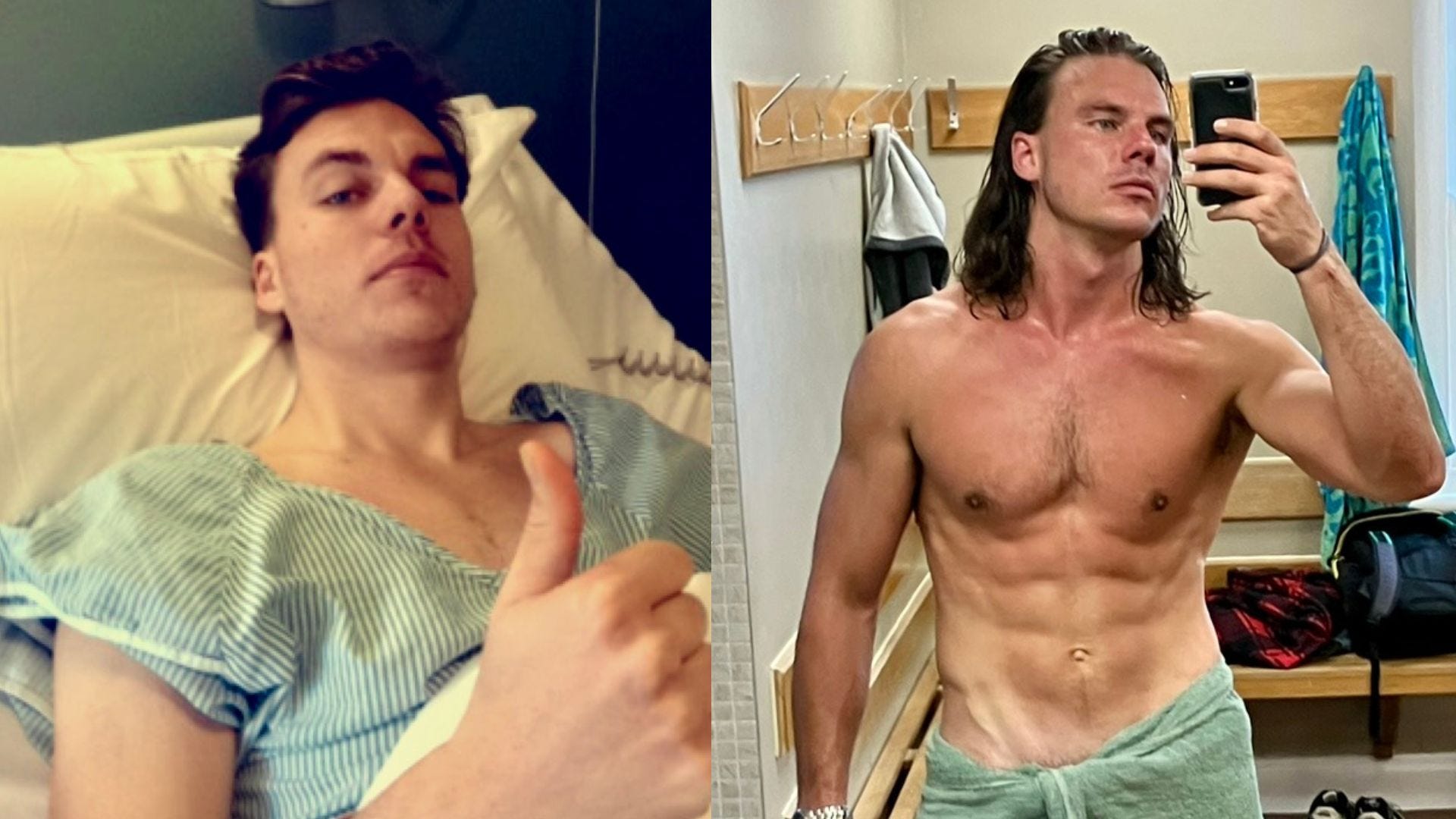
For years, I was the most optimized man in every room I walked into.
I quickly climbed the ranks in my corporate sales job while dealing with numerous chronic health issues that, despite countless doctors visits and thousands of hours of research, I just couldn’t seem to figure any of them out. But, during that process, what I realized was that I had built a life on performance, and I ran my body the way I ran everything else. By pushing harder and measuring more. And whilst I learned a lot about myself in the process, it came at huge cost.
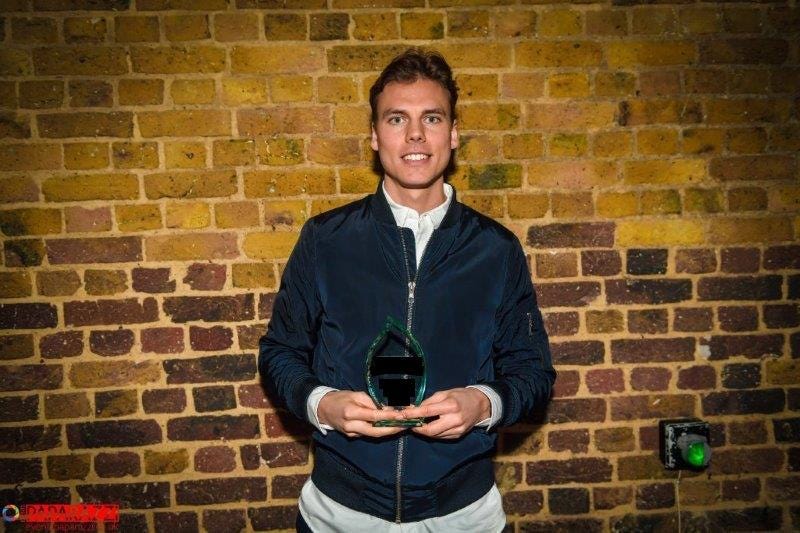
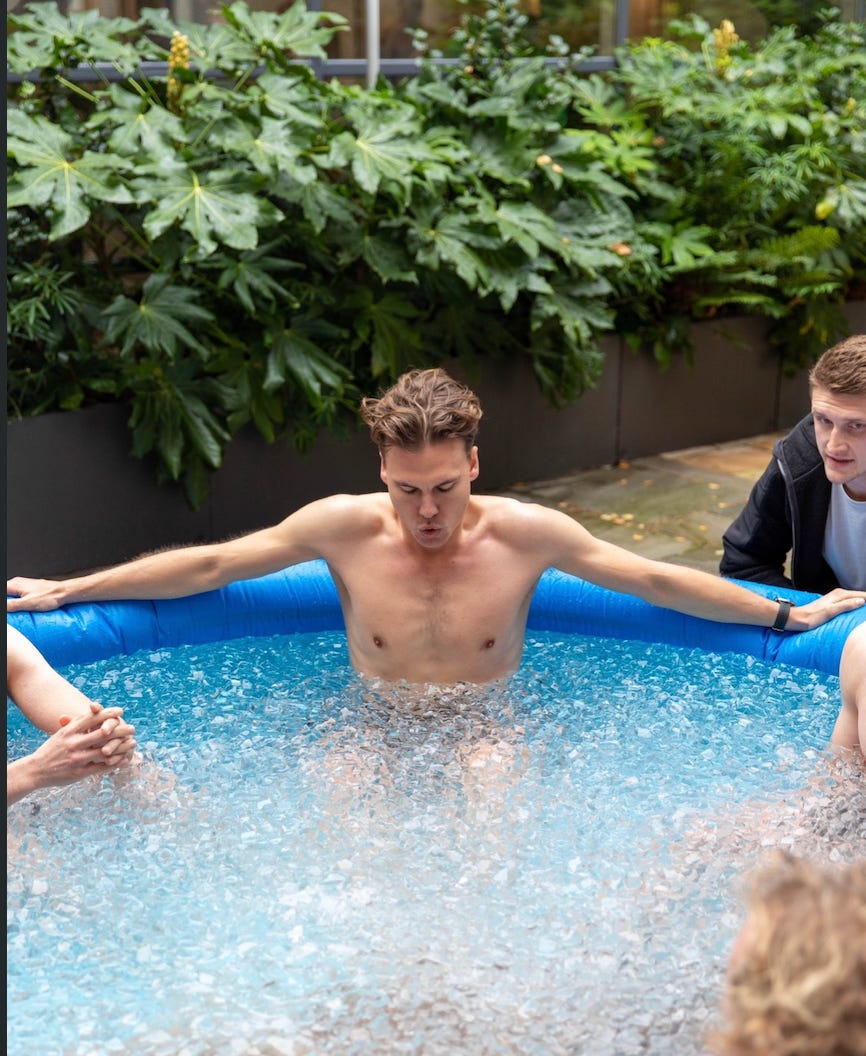
I tracked my heart rate variability every morning for 3 years using my Whoop along with my Polar H10 chest strap that I used when I worked-out. I wore barefoot shoes for 5 years. I had the supplement drawer, the protocols, the lab panels, the cold exposure, the Wim Hof Breathing, and the discipline most men talk about and never hold. If there was an input, I added it. If there was a metric, I chased it. I believed, all the way down, that the body was a machine, and that more effort and more data would always make the machine run better.
My mornings were not mornings. They were diagnostics. Before my feet touched the floor I had a number on a screen telling me whether I had earned the right to feel good that day. My kitchen was a pharmacy. My calendar had recovery scheduled into it like a deadline. Travel became a logistics problem, how to keep the protocol intact on the road, and a missed window felt like a small failure I carried into the meeting. I had turned my one body into a project that never shipped, a renovation with no completion date. I told myself this was what taking your health seriously looked like. It was not. It was what being quietly at war with yourself looks like, dressed up in the vocabulary of wellness.
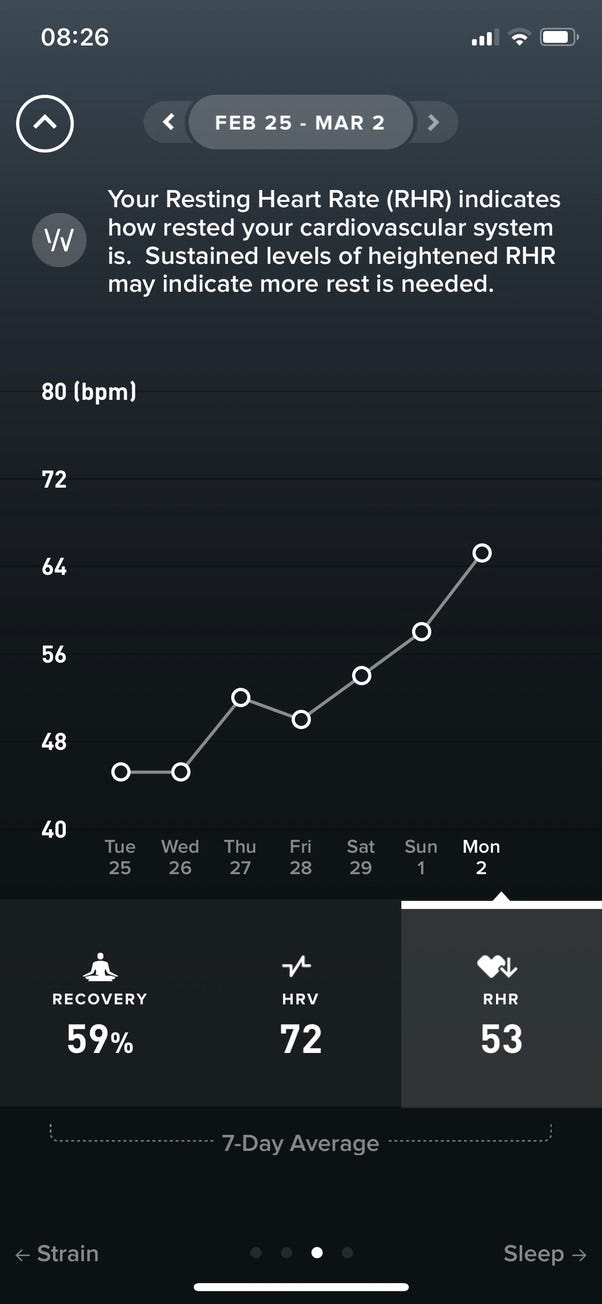
It is a seductive belief, especially for a man who has won at everything in his sales career by outworking and outsmarting the room. It is also wrong. By the time I understood how wrong, I was sitting in a doctor’s office, lean and gaunt and quietly proud of my discipline, watching him look at my bloodwork and react like he had seen a man with a death wish.
He had. The man was me.
The secret underneath the discipline
Here is the part nobody tells you about the kind of discipline I had. Underneath it, almost always, is anxiety and a deep need to control. In other words… it’s a coping strategy dressed up as virtue.
I did not track and measure and optimize because I was calm and curious about my body. I did it because some part of me was convinced I was never quite enough, never quite safe, never quite finished, and that if I could only control enough variables, the feeling would finally go quiet. Every protocol was a way to manage a low hum of dread with the one tool a high achiever trusts without question. Effort. Control. More.
It worked, the way a drink works. The morning I logged a good recovery score, I felt briefly safe. The morning the number came back red, the dread had a target, and I went to war with it. I was not running my health. My health was running a tab on my nervous system, and I was paying it in vigilance, every single day, and calling that wellness.
I remember it got so bad that I couldn’t engage in any social event or participate properly in family dinners because it was either outside my feeding window or the composition of what was being served wasn’t quite optimal for what, at the time, I believed was considered “Optimal.”
So when the two things I most wanted to fix, my anxiety and a gut that had never once felt right, kept refusing to cooperate, I did exactly what men like me do. I did not ease off. I reached for the most extreme protocol on the menu and told myself the extremity was the point.
The crash
I went carnivore. Seven months. No plants, no carbs, nothing but animal food, because if something I was eating was the problem, I would burn the whole field down to find it.
At first it worked. My gut settled within weeks, and I read that early relief as proof I had finally found the answer. So I held the line. Then, slowly, the bill came due. I got cold in a way I could not warm out of. I got gaunt. I lost strength I had spent years building. My sleep came apart, and the insomnia fed the exact anxiety I had gone carnivore to escape. My thyroid had quietly downshifted, and my cholesterol had nearly tripled, which is the number that put my doctor halfway out of his chair.
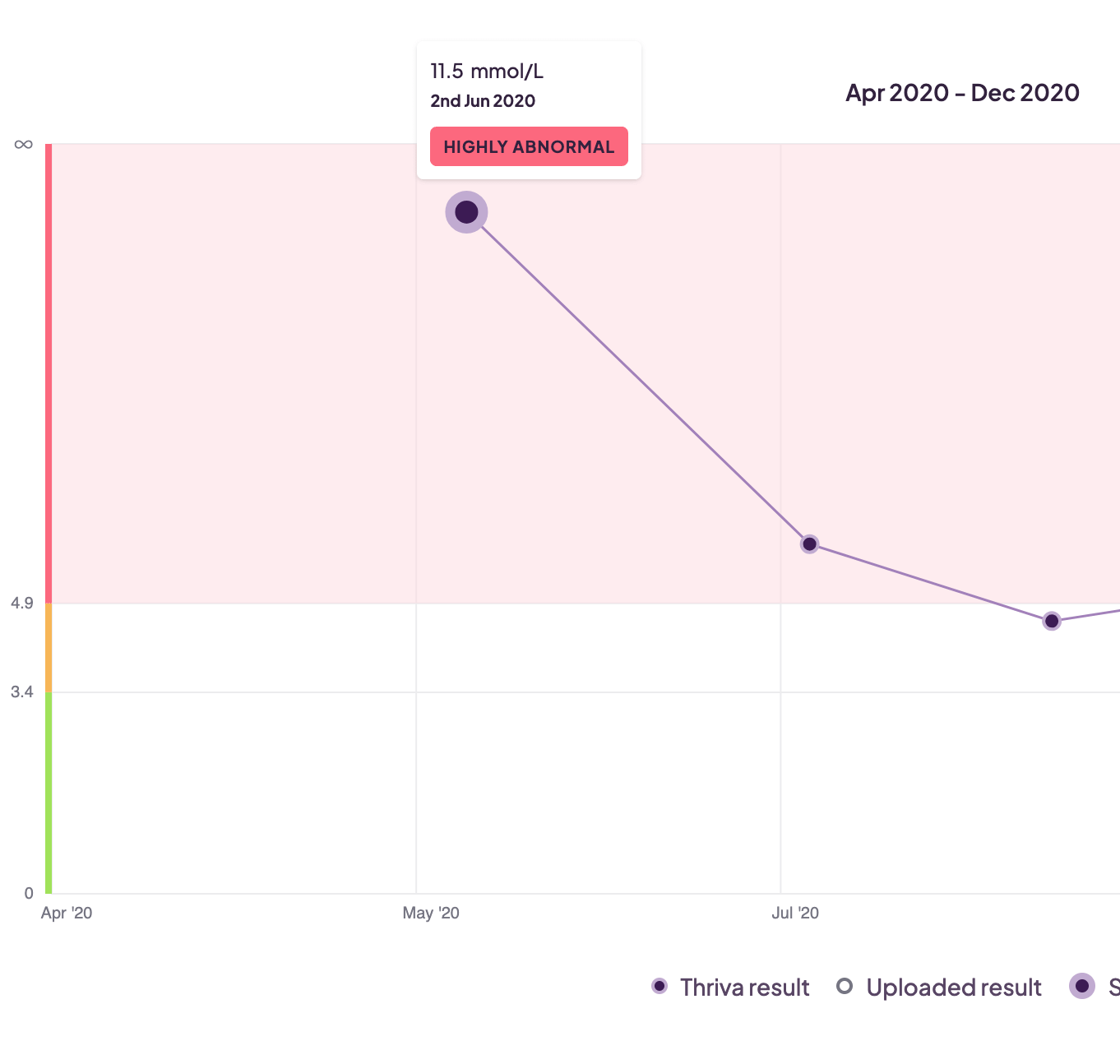
I have written about the mechanics of that crash on its own, so I will not relive all of it here. What matters for this story is what it did to the belief I had built my whole life on. Because here is how I climbed out. I added carbohydrates back. Real food, the precise thing the protocol had trained me to fear, and over about three months everything returned. My warmth, my weight, my sleep, my bloodwork, and my life.
The forbidden thing was the cure. Sit with what that does to a worldview (it’s uncomfortable, right?!).
What I actually learned
My first explanation was the comfortable one. I picked the wrong protocol. But that let me off too easily, and it was not true. The truth was bigger and harder to swallow. The entire operating system was wrong.
I had spent my life believing the body responds to effort. Push harder, add more, tighten control, win. But the body is not a spreadsheet and it is not a quarterly target. It is not a machine you optimize at all. It is a living system that responds to context and to order, not to force. The same carbohydrates that healed me would have hurt me at a different time, in a different state. The same discipline that built me, pushed too far, was the thing taking me apart. There is no universal “more.” There is only the right input, in the right dose, at the right time, for the actual man you are, in the state you are actually in.
Optimization was not the cure I had been chasing for years. Optimization was the disease, wearing the cure’s clothes. Every metric I tracked was one more way to override the signals my body was screaming at me. Every protocol I stacked was one more input drowning out the foundations I had never bothered to fix. My problem was never that I lacked discipline. My problem was that I had too much of it, aimed at the wrong things, while I stayed deaf to a body that had been trying to get a word in for years.
The cruelest joke in it is that a calmer, simpler, far less impressive approach would have handed me everything the obsession kept promising and never delivered. I did not need to do more. I needed to stop interfering.
Think of it the way I finally had to. For years I had been flooring the accelerator and wondering why the engine kept overheating. The fix was never a better fuel additive or a more punishing driving schedule. The fix was that the engine needed rest, and order, and to be treated like the living thing it was instead of redlined in the name of performance. I had mistaken the redline for the destination. Most of the men I now work with have made the exact same mistake, and they cannot hear it any more than I could, because the redline feels like virtue right up until something gives.
Why I do this now
When I came out the other side, I started paying attention to the men around me. The high achievers. The executives. And I saw my own program running in every one of them. They tracked everything. They added everything. They had the rings and the wearables and the supplement stacks and the willpower, and they were getting quietly worse, and every single one of them was certain the answer was more. More data. More protocols. More effort.
I had been them. I knew exactly how that story ends, because I had nearly lived it to the final page. So I stopped optimizing myself, and I started helping them stop, too.
What calibration means
That is the whole philosophy, and it is the opposite of what sold me the supplements.
Calibration over optimization. You do not need more inputs. You need the right ones, and usually fewer of them. Context over ideology. No food, no protocol, no diet is good or bad in the abstract. It depends entirely on you, and on when. Subtraction over addition. The man who feels terrible despite doing everything does not need one more thing added to the pile. He needs the noise stripped away so his body can finally be heard.
And underneath all of it, the one that took me the longest to accept. Biology respects order, not effort. You cannot force your way to health any more than you can force your way to sleep. You can only stop interfering, fix the foundations, and let a system that has been running for two hundred thousand years do the thing it already knows how to do.
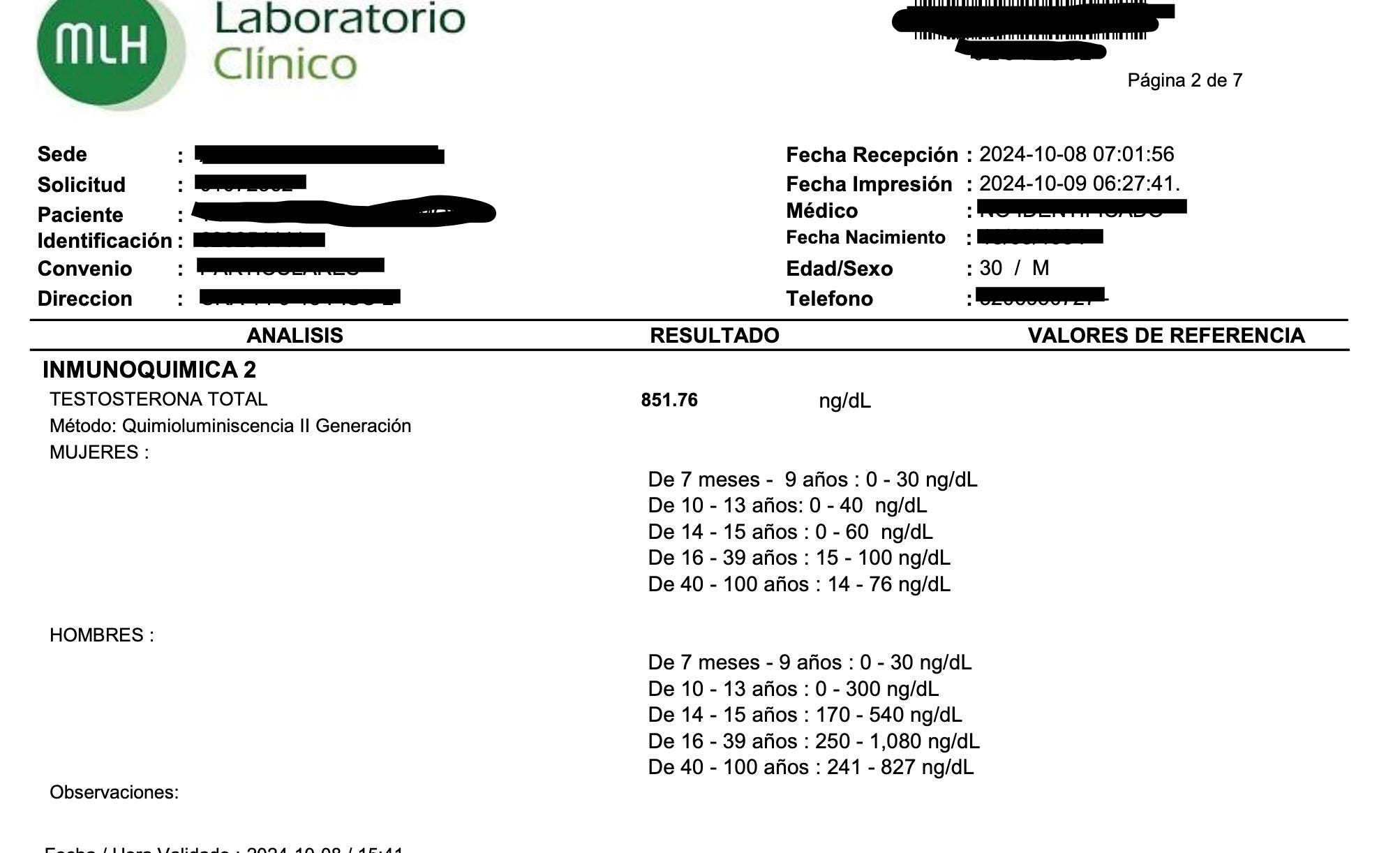
I am the proof of both directions. The cost of getting it wrong, and the speed of getting it right. My testosterone is now at 851 ng/dl (even after testicular cancer). I do not track my HRV anymore. I gave the barefoot shoes away. I eat carbs at most meals. I eat a couple of raw eggs before bed. I don’t track macros, or micros, or calories… and I certainly do not weigh food or obsess over feeding windows… and yet… my sleep, my mental clarity, and how I feel subjectively in myself has never been better. For the first time in a long time, I have never been steadier, in my body or in my head, than I have been since I stopped trying to optimize either one. All while doing about 90% less than I was before.
This newsletter is where I take the optimization world apart, one sacred cow at a time, from the inside, as someone who believed all of it and has the scars to show for it. If that is useful to you, subscribe. If it is not, don’t. I am not here to convince anyone of anything.
P.S. None of this is medical advice. It is one man’s story, and the philosophy I built out of nearly getting it badly wrong. If your own body is sending you signals right now, the most optimized thing you will ever do is stop and listen to them.
I take it you are type A personality?